
How to Make a Travel Checklist
Author
Malayan Insurance
Published
January 20, 2026
Share




Tags
What is a Travel Checklist and Why Do You Need One?
A smooth trip doesn’t happen by luck. It starts with smart preparation. Before you head to the airport, make sure you’ve covered the essential safety steps that protect your health, finances, and peace of mind.
Key Takeaways
- A travel safety checklist helps you prepare for risks before departure. It keeps key safety steps organized.
- Travel insurance, document protection, and health checks are essential. These safeguard your finances and well-being.
- Proper planning lets you travel with confidence. It reduces stress and prevents costly setbacks.
Exploring somewhere new is an incredible feeling, the kind that fills you with curiosity and anticipation. When you’ve prepared thoughtfully, you can fully enjoy the experience without distractions or unnecessary stress.
In this guide, you’ll learn exactly what to prepare before a trip so you can travel confidently and make the most of every experience.
What Is a Travel Safety Checklist?
A travel safety checklist is a structured list of precautionary steps you take before your trip to protect your health, finances, identity, and overall well-being.
Unlike a basic packing list, a travel safety checklist focuses specifically on:
- Emergency preparedness
- Health precautions
- Document and identity protection
- Financial security
- Destination risk awareness
It serves as your personal risk-reduction plan and will help you anticipate potential problems and prepare solutions in advance. Instead of reacting to emergencies, you're ready for them.
When used properly, a travel safety checklist minimizes stress and allows you to focus on enjoying your trip rather than worrying about what could go wrong.
How to Make a Travel Safety Checklist
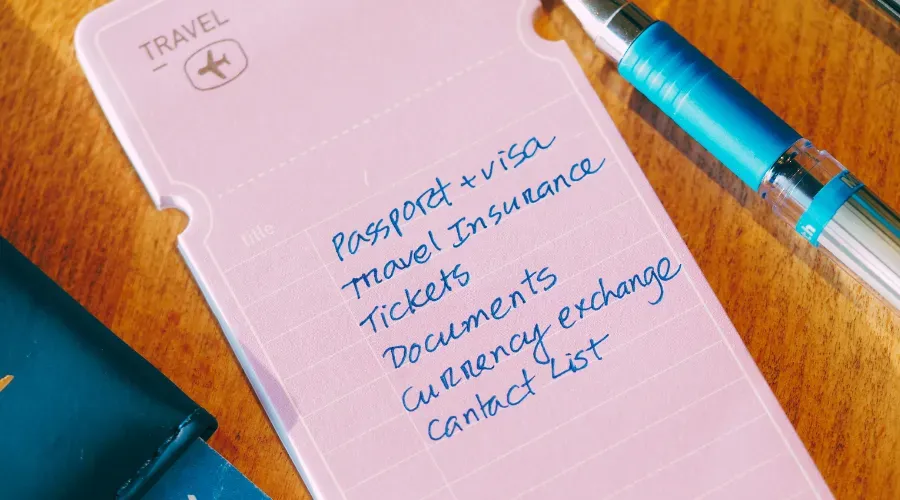
Creating a travel safety checklist starts with identifying potential risks and organizing the essential steps to protect your health, documents, finances, and overall well-being before your trip.
Secure travel insurance
Our first and most important travel safety tip is to secure travel insurance before any trip. When you understand why you should buy travel insurance, you’re better able to appreciate its value.
To make sure you’re fully protected throughout your journey:
- Choose comprehensive coverage. Select a policy that includes emergency medical care, hospitalization abroad, emergency evacuation, trip cancellation or interruption, and protection for lost or delayed baggage.
- Keep emergency assistance details handy. Save your insurer’s hotline on your phone and carry a printed copy for easy access.
- Review your policy carefully. Understand the coverage limits, claim process, and exclusions, so you know exactly what support is available if something unexpected happens.
Health and medical safety
Next on your travel safety checklist: prioritize your health. Before departure, take the necessary steps to ensure you’re medically prepared and protected, so you can travel with confidence and minimize the risk of health-related disruptions along the way.
Before leaving:
- Schedule a pre-travel medical check-up. This is especially important if you have pre-existing conditions, are taking long-haul flights, or plan to participate in physically demanding activities.
- Check vaccination requirements and health advisories. Review any required or recommended vaccines and stay updated on outbreaks or health risks in your destination.
- Prepare a medical information sheet. Include your blood type, allergies, existing medical conditions, and emergency contacts. Keep both a printed copy and a digital version on your phone.
- Pack a safety-focused health kit. Bring prescription medications (in their original packaging), a basic first aid kit, antiseptic wipes, a thermometer, face masks, insect repellent, and sunscreen.
Taking these steps helps ensure you’re physically prepared to address minor health concerns while traveling.
Document and identity protection
Losing your identification while abroad can quickly escalate into a major problem, potentially disrupting your plans, delaying your return, and making it more difficult to access assistance when you need it most.
Spare yourself the trouble by:
- Checking your passport validity. Ensure it is valid for at least six months beyond your travel dates to avoid entry issues.
- Making multiple copies of important documents. Keep one set in your luggage, another in your carry-on, and digital copies in secure cloud storage. Duplicate key documents such as your passport, visa, travel insurance policy, flight details, and hotel confirmations.
- Registering with your embassy (for international travel). This allows you to receive security alerts and important emergency assistance updates while abroad.
- Protecting your physical documents. Use an RFID-blocking wallet and avoid carrying all your important documents in one place to reduce the risk of total loss if something goes missing.
Destination risk research
Being informed is a crucial part of any travel safety checklist. The more you know, the easier it is to make safe, confident decisions.
- Review travel advisories. Check official government sources for updates on political unrest, natural disaster risks, crime levels, and areas to avoid.
- Research common tourist scams. Stay alert to known issues, including taxi scams, pickpocket hotspots, and fake tour operators.
- Learn local emergency numbers. Save contact details for the police, ambulance services, fire department, and the nearest embassy or consulate.
- Understand local laws and customs. Avoid unnecessary legal trouble by researching restricted medications, photography rules, and cultural dress expectations.
Personal safety planning
Proper preparation helps you stay alert and confident, lowering the risk of becoming a target while traveling. Before you travel, take these extra safety steps:
- Share your itinerary. Share your flight details, hotel address, and tour plans with someone you trust so they know where you’ll be throughout your trip.
- Set up location sharing. Use trusted apps to share your real-time location with close contacts, especially during transfers or solo outings.
- Arrange safe transportation. Pre-book airport transfers, use verified ride-hailing apps, and avoid unlicensed taxis whenever possible.
- Plan for a safe arrival. If you can, arrive during daylight hours and familiarize yourself with the route from the airport to your accommodation in advance.
Taking these extra safety precautions is especially important for solo travelers. This guide helps you plan ahead, stay aware of potential risks, and implement practical measures so you can travel independently with greater confidence and peace of mind.
Financial safety and fraud prevention
Protecting your finances is crucial to safeguarding your entire trip, as financial disruptions can quickly derail
even the most carefully planned journey.
Here are a few important tips for safe travel to keep in mind before boarding your plane:
- Notify your bank before departure. Inform them of your travel dates to prevent your card from being flagged or blocked due to unusual foreign transactions.
- Set up transaction alerts. Enable real-time notifications to quickly spot and report any unauthorized purchases.
- Bring multiple payment options. Carry one primary card, one backup card stored separately, and a small amount of emergency cash.
- Use anti-theft bags. Choose bags with lockable zippers, slash-resistant straps, and hidden compartments to better protect your valuables while on the move.
Digital and cyber security
Cybersecurity risks can increase while traveling, especially when using public Wi-Fi or accessing sensitive information on the go.
To protect your personal data, keep these essential travel cybersafety tips in mind:
- Secure your devices. Update your operating systems, enable device tracking features, and use strong passcodes (or biometric locks) on your phone, tablet, and laptop.
- Avoid public Wi-Fi for sensitive transactions. Public networks are vulnerable to hacking and phishing attempts. Whenever possible, use mobile data or a secure VPN instead.
- Disable auto-connect settings. Disable automatic Wi-Fi connections to prevent your devices from connecting to unsecured networks without your knowledge.
A few simple digital precautions can go a long way in keeping your information safe while you travel.
Accommodation safety
Where you stay plays a major role in your overall safety. To minimize risks and better protect yourself during your trip, take these precautions when selecting and settling into your accommodation:
- Research hotel reviews carefully. Look for comments about security measures, safe neighborhoods, and the availability of a 24-hour front desk before booking.
- Check room safety features upon arrival. Identify emergency exits, locate fire extinguishers, and test all door and window locks to ensure they’re secure.
- Use the in-room safe. Store your passport, extra cash, and important documents inside whenever you leave your room.
Choosing and securing your accommodation wisely adds another strong layer of protection to your travels.
Home safety before departure
Peace of mind begins at home. Taking a few simple precautionary steps before you leave helps secure your property and allows you to travel without unnecessary worry.
- Double-check all locks. Ensure that doors, windows, and gates are securely locked before departure.
- Unplug electrical devices. Disconnect non-essential appliances to reduce the risk of electrical issues or fire hazards.
- Avoid oversharing travel plans on social media. It’s safer to post photos and updates after you return, rather than announcing that your home is empty.
- Arrange trusted oversight. Ask a reliable neighbor or family member to collect parcels, check on your property, and keep an eye out for anything unusual while you’re away.
Securing your home properly helps you enjoy your trip with greater peace of mind.
Travel Smart. Travel Protected.
Travel will always involve some uncertainty. Plans may shift, and unexpected situations can arise. But when you prepare thoughtfully, those moments feel manageable rather than overwhelming.
A travel safety checklist is not about limiting your adventure. It protects it. By securing your health, documents, finances, and plans, you create the confidence to explore freely.
The goal is not to remove spontaneity, but to support it. With the right preparation, you can focus on the experience, embrace opportunities as they come, and make your journey memorable for all the right reasons.
Travel with greater confidence and peace of mind with travel insurance in the Philippines from Malayan Insurance. Protect yourself against medical emergencies, trip disruptions, and unexpected setbacks with coverage that supports you when it matters most.