
What Does Home Insurance Actually Cover in the Philippines? A Complete Guide for Homeowners

Author
Malayan Insurance
Published
November 20, 2026
Share




Tags

Caring for your family starts with caring for the place you all come home to.
Key Takeaways
- Home insurance protects your home and personal belongings against covered events.
- Coverage varies by policy, so check the included perils, exclusions, and limits before you buy.
- Choose a plan that matches your property’s value, location-specific risks, and budget.
Your home is filled with what makes everyday life special, from the furniture where your family gathers to the appliances that make daily routines easier. Protecting these belongings is one way to care for the space you’ve built for your family.
Home insurance helps secure your property and belongings against covered events. Depending on your policy, it may also include temporary accommodation and personal liability coverage, offering more than fire protection alone.
Understanding your coverage helps you choose a plan that suits your property, family’s needs, and budget.
Read this guide to learn what home insurance covers, what it doesn’t, and how to choose the right policy for your needs.
What is Home Insurance?
Home insurance is a type of property insurance that covers loss or damage to items inside your house. Think furniture, appliances, electronics, clothing, and other personal belongings you can move.
Depending on your policy, coverage may apply to incidents such as fire, theft, or certain natural events. Some plans may also cover belongings temporarily taken outside your property. Because coverage varies by insurer, check the policy terms, exclusions, and limits to understand what's protected.
Here is how home insurance compares with two products people often confuse it with:
- Fire insurance usually covers one main risk: fire and, in many cases, lightning.
- A developer’s home warranty covers construction defects for a limited period after turnover.
- Home insurance can cover several risks at once, including natural events, depending on the plan you choose.
If you rent an apartment or house, many insurers also offer contents-only plans. These let tenants insure their belongings without owning the property itself.
Before you buy any policy, confirm that your insurer is licensed by the Insurance Commission, the Philippine government agency that regulates insurance companies.
Basic Coverage: Fire and Lightning
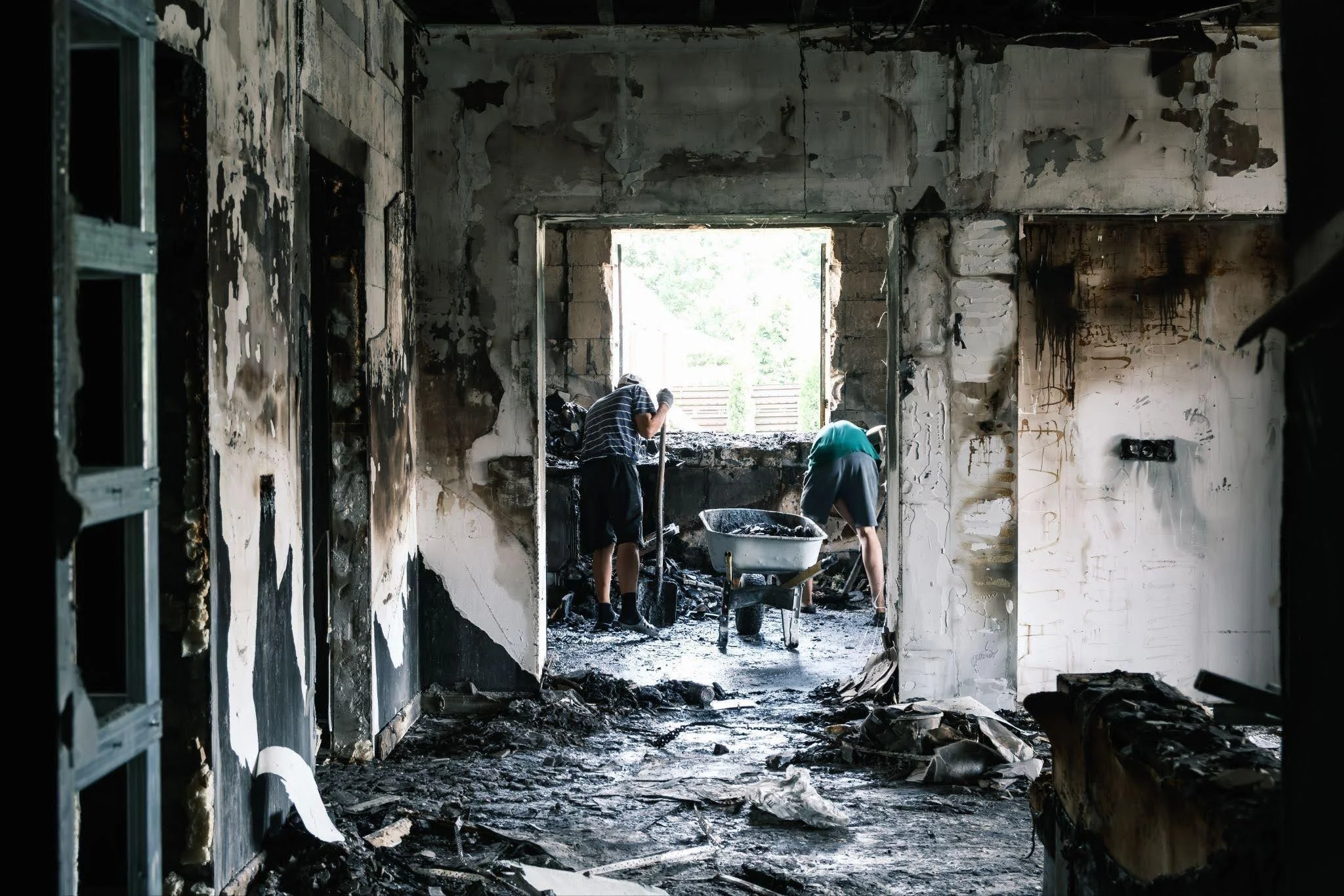
Fire and lightning form the base of most home and contents insurance plans. If an accidental fire or lightning strike damages your home or belongings, your policy helps cover repairs and replacements.
Other Allied Perils: Earthquake, Typhoon, Flood, and More
The Philippine Atmospheric, Geophysical and Astronomical Services Administration (PAGASA) reports that about 20 tropical cyclones enter the Philippines' area of responsibility each year.
The country also sits along the Pacific Ring of Fire, so the Philippine Institute of Volcanology and Seismology (PHIVOLCS) monitors earthquakes around the clock. Some plans go beyond fire and lightning to cover these other allied perils:
- Earthquake damage
- Typhoon-related damage
- Flood damage
- Smoke damage, aircraft impact, vehicle collisions, and explosions
- Damage caused by riots, strikes, or malicious acts
What Home Insurance Typically Does Not Cover
Knowing your policy limits helps you plan ahead. Most home policies do not cover:
- Damage caused by regular use, rust, or gradual deterioration
- Intentional damage caused by the insured
- Loss or damage while the property is left unoccupied for an extended period
- Perils or benefits not listed in your policy
If you’re unsure about your coverage limits, a quick talk with your insurer can clear things up before you need to file a claim.
5 Benefits of Home Insurance
Here are five ways the right plan supports you and your family.
1. You Can Rebuild Without Draining Your Savings
Repairing a roof or replacing a refrigerator can cost far more than most families set aside for emergencies. With home and contents insurance, your insurer covers much of those costs. Your savings stay intact for school fees, health needs, and the plans you’ve been working for.
2. Your House and Belongings Are Protected Together
A policy that covers only the structure leaves your gadgets, furniture, and appliances unprotected.

Combined coverage looks after both under one plan. You get one policy to track, one renewal date, and one insurer to call.
3. You Are Prepared for Every Season
Changing weather is part of life in the Philippines, and preparing for it goes beyond stocking up on candles and canned goods. Many home and contents insurance plans cover typhoons and flood damage, and some also help with temporary housing while repairs are done.
4. You Meet Your Home Loan Requirements With Ease
Banks and housing lenders often require property insurance on homes bought through a loan. Having your own policy in place keeps that requirement covered and protects the property you are still paying for. It also gives you more control over the coverage, since you can choose add-ons beyond the lender’s minimum.
5. You Get Back on Your Feet Faster
When something goes wrong, a quick and simple claims process matters as much as the coverage itself. Malayan Insurance calls its approach “straight-through,” a seamless claims experience designed to pay you faster. The faster your claim moves, the sooner your home feels like home again.
How to Get the Right Home Insurance
The best policy fits your home, your location, and your budget. These steps will help you find the right one.
Know What Your Home and Belongings Are Worth
Estimate how much it would cost to rebuild your house and replace what’s inside. Insuring for full value helps you avoid underinsurance, where a claim pays out less because you declared too low a value.
Make a Simple Home Inventory
Walk through each room and take photos or videos of your belongings. Save receipts for big-ticket items like TVs, laptops, and appliances in a folder or cloud drive.
Check Which Natural Perils Are Included
Ask whether typhoon, flood, and earthquake coverage come standard or as add-ons. This one question shapes how complete your residential insurance coverage will be.
Match Your Coverage to Your Location
Use the government’s HazardHunterPH tool to see if your area is prone to flooding, landslides, or ground shaking. Then choose add-ons that reflect those specific risks.
Read the Exclusions Before You Sign
Exclusions tell you exactly where your policy stops. Reading them now saves you from surprises later and helps you decide which add-ons are worth it.
Compare Value, Not Just Price
A low premium is appealing, but check what it actually includes. Check coverage limits, deductibles (what you pay before insurance pays), and available add-ons.
Look Closely at the Claims Process
Ask how claims are filed, what documents you need, and how long payouts usually take. A smooth claims experience makes house insurance coverage in the Philippines truly useful when you need it.
Review Your Policy Every Year
Renovations, new appliances, and home upgrades can increase your home's value. A yearly review keeps your coverage in step with your life.
If you’re ready to explore your options, start with home insurance plans in the Philippines that let you choose the protection you need.
Insure Your Home With Malayan Home Protect
Your home is where your family’s everyday moments happen, and the right coverage helps protect them.
Now that you know what home insurance covers, its limits, and how to choose a plan, you can choose the right option for your home and budget.
Malayan Home Protect gives you quality residential insurance coverage at a price that works for Filipino households. Beyond fire and lightning, it covers allied perils such as earthquakes, typhoons, and floods. It also includes alternative accommodation, personal liability, and accidental breakage of fixed glass.
With Malayan's straight-through claims process for Filipino families, you get quality protection that is accessible and affordable for all.
Insure yourself and your home. Request a quote today to find a home insurance plan that suits your property.
Frequently Asked Questions
Is home insurance the same as fire insurance?
Not quite. Fire insurance mainly covers fire and lightning, while home insurance can also cover your belongings, natural perils like typhoons and floods, and extras such as personal liability.
Does home insurance cover typhoons and flood damage in the Philippines?
Many plans do, either as standard coverage or as an add-on. Malayan Home Protect includes typhoon and flood among its allied perils, so check your policy schedule to see what your plan includes.
Can renters get home insurance?
Yes. Many insurers offer contents-only plans, so tenants can protect their furniture, gadgets, and appliances even if they don't own the unit.
How much coverage do I need for my home?
Aim for enough to rebuild your house and replace your belongings at full value. A simple home inventory and an annual policy review help keep your residential insurance coverage in line with what you own.