
How to Protect Your Home from Flood
Author
Malayan Insurance
Published
July 26, 2022
Share




Tags
7 Tips to Prevent House Flooding Effectively
The rainy season has begun, which means a higher chance of flooding, especially when there are typhoons. So, do you know how to protect your home from flooding?
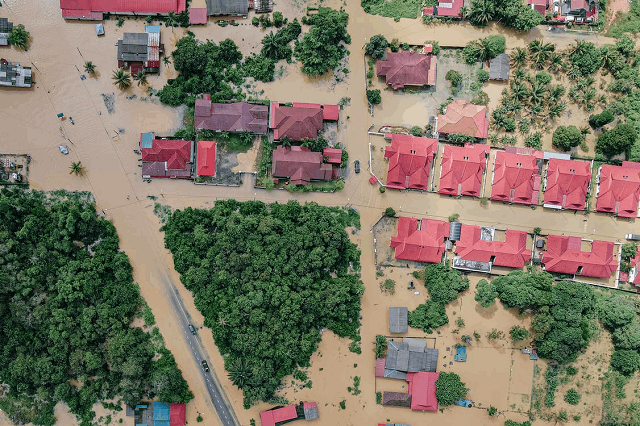
When you live in the Philippines, learning about typhoon and flood damage is crucial. The country experiences several in a year, sometimes one after another. In the second half of the year, there are as many as three typhoons in a month, which causes massive floods that damage homes and property.
Moreover, due to climate change, floods are occurring more frequently and can be more destructive than ever, affecting even areas previously undisturbed. This means that even if your home has never been flooded, it could be at risk in the future. Additionally, even if your home is not currently in a flood zone, it could still be at risk if a nearby river or lake overflows due to heavy rains or when sewer blockages worsen flooded conditions.
Repairing damage from flood water can be very expensive, even if it’s just a few inches of flood water that got into your home. Fortunately, there are things you can do to prevent house flooding. In this article, we’ll provide actionable tips to flood-proof your home.
1) Evaluate your flood risk
Check if your area is prone to flooding and prepare based on the risk level.
Start by checking flood maps provided by the local government or agencies like PAGASA to determine your area’s flood susceptibility. Visit your city or municipality’s planning office to confirm your property’s flood zone classification. Ask neighbors about past floods and monitor local weather reports, especially during typhoon season. For a clearer assessment, consult a flood risk professional. Knowing the flood risk in your area will help you take appropriate measures, like elevating your home, reinforcing walls, or setting up barriers. It also guides insurance decisions so you’re prepared for the level of risk.
2) Keep drains clear
Regularly clean gutters, downspouts, and drains to prevent water buildup.
Another way to protect your home from flood is to clear drainage systems of leaves, dirt, or any debris that could cause blockages, especially before and during the rainy season. Consider using a plumber’s snake to remove deeper clogs if the water flow seems slow. Extend downspouts to direct water at least 3-4 meters away from your house. Also, make sure there’s proper drainage in your yard, using gravel or permeable materials to allow water to seep into the ground rather than pool near your home’s foundation.
3) Seal cracks in the foundation
Fix any cracks in your home’s foundation, walls, or floors to stop water from getting in.
Walk around your home and inspect the foundation, walls, and any areas prone to cracking. If you find cracks, use a high-quality, waterproof concrete or masonry sealant to fill them. Clean out debris or dust from the crack before applying the sealant, and ensure the area is dry for a better seal. For larger cracks, consider hiring a professional. Regularly check these spots to ensure the sealant holds up, especially after storms. Sealing cracks early prevents water from seeping in, keeping your home safe and dry.
4) Elevate appliances and secure valuables
To further prevent house flooding damage, move electrical appliances and valuables to higher places.
Raise your refrigerator, washing machine, and other large appliances onto sturdy blocks or a platform at least 1 meter above ground level. For smaller appliances, move them to higher shelves or counters. Place important documents, photos, and valuables in waterproof containers and store them on the upper levels of your home. Consider using water-resistant furniture or placing valuable electronics on risers. For homes prone to severe flooding, store personal items in plastic bins and elevate them off the floor in closets or storage areas.
5) Install flood barriers and pump
Invest in temporary flood barriers like sandbags or inflatable barriers, and place them around doors, windows, and low-lying areas where water can easily seep in.
Additionally, keep a water pump handy (electric or manual) to remove water that might enter your home. Install the pump in a low-lying spot like the basement, and make sure the discharge hose directs water away from your house. Test the pump regularly, especially before heavy rains, to ensure it’s in working condition. This setup prevents excessive water buildup and helps to flood-proof your home.
6) Get flood insurance
Comprehensive home insurance will protect you and your family against financial loss.
Check if your home insurance includes flood protection. Home insurance typically covers not just your property’s structure but also your valuables, protecting you from the costly damage floods can cause. If flood coverage isn’t included, ask your provider for a quote and review the policy thoroughly. Be sure to understand what’s covered and what’s not, as well as any exclusions. Since policies can take up to 30 days to activate, arranging this ahead of flood season is best. Keep a copy of your policy in a secure, waterproof location and update it regularly to ensure continued protection.
7) Stay informed
To prevent house flooding, monitor local weather updates, especially during storm season, and act quickly if necessary.
Follow PAGASA on their Facebook and X (Twitter) pages for real-time updates on weather conditions, especially during typhoon season. Their timely alerts can give you a head start in preparing for potential floods. Keep track of their posts during heavy rains or storms to know when flood warnings are issued. Make sure you and your family are ready by planning an evacuation route in advance and having a flood safety plan in place. Staying connected to PAGASA’s updates ensures you’re always prepared and can act quickly to protect your home and loved ones.
Protect Your Home from Floods with Malayan Insurance
If you’re considering home renovations for safety, our tips for flood-proofing your home are a starting point. Elevating appliances, sealing foundation cracks, and installing flood barriers can make a big difference. What’s more, planning can help minimize damage and protect your home in the long run.
Malayan Home Protect covers not just fire and lightning but earthquakes, typhoons, and floods as well, on top of several other benefits. This means that next time heavy rains and massive floods hit your town, you need not worry about damages and expenses, if there are any.
The insurance also protects valuable possessions such as works of art and antiques if the flood damages them, as well as the personal belongings of your household employees if you have them in your home.
Of all the non-life insurance companies in the Philippines, Malayan does have unbeatable home protection insurance. Get a quote and apply now.