
What Happens if You Get Sick While Traveling?

Author
Malayan Insurance
Published
July 22, 2026
Share




Tags
What to Do if You Get Sick While Traveling Abroad

You have the perfect itinerary: a morning coffee in a hidden Tokyo alley, an afternoon exploring the neon lights of Shinjuku, and a late-night ramen run. As a traveler abroad, you live for these moments of discovery. But in the back of your mind, there might be a small “what if.” What if you suddenly catch a nasty flu? What if you get into an accident? Facing a travel medical emergency is one of the biggest fears for anyone far from home.
You have the perfect itinerary: a morning coffee in a hidden Tokyo alley, an afternoon exploring the neon lights of Shinjuku, and a late-night ramen run. As a traveler abroad, you live for these moments of discovery. But in the back of your mind, there might be a small “what if.” What if you suddenly catch a nasty flu? What if you get into an accident? Facing a travel medical emergency is one of the biggest fears for anyone far from home.
What Happens if You Get Sick While Traveling?
When you fall ill during an out-of-the-country trip, the experience is quite different from visiting your local clinic at home. The most immediate challenge you might face is the unfamiliarity with the healthcare system. Language barriers also add a layer of stress to these situations, making it hard to explain your symptoms to a doctor.
The financial side of a travel medical emergency can be even more startling. Emergency treatment costs overseas can be incredibly high. For instance, an appendectomy in Singapore can cost between PHP 400,000 and PHP 800,000, while a basic ER visit in the United States could set you back up to PHP 168,000. Beyond the hospital bill, you have to consider prescription medication access. While pharmacies are often easy to find, the brand names you know might not exist there, making it vital to know the generic name of your medicine to ensure you get the right treatment.
So, what should you do to avoid these stressful situations?
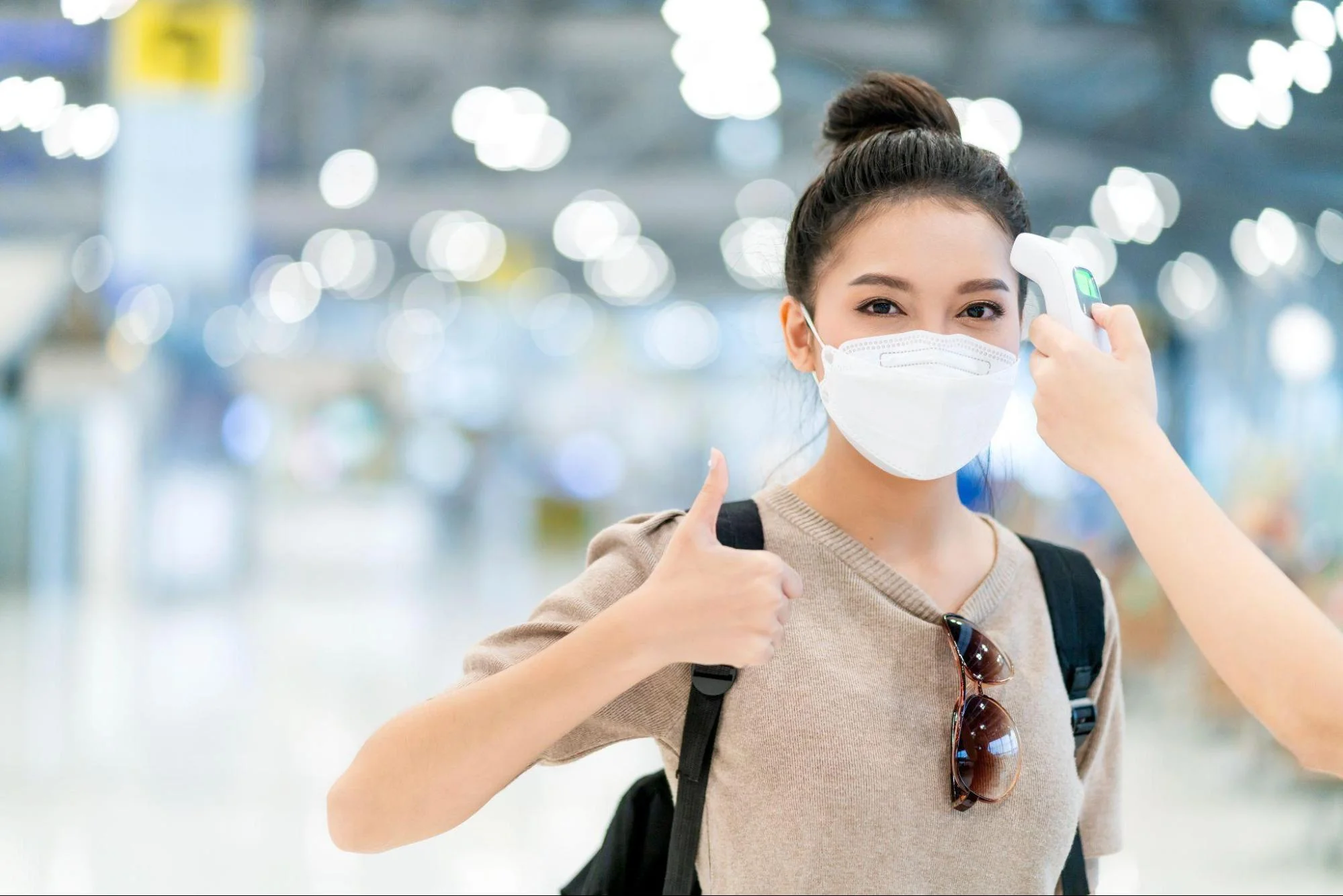
What to Do if You Get Sick While Traveling
If you start feeling under the weather, don’t panic. Having a clear plan can turn a scary situation into a manageable one.
1. Assess Your Symptoms
Knowing whether you need a simple rest or if you are experiencing an actual travel medical emergency helps you make the right choice for your health.
- If you are dealing with a mild cold, motion sickness, or a simple stomach upset, you can often manage these with rest, hydration, and your travel health kit.
- Seek immediate help if you experience difficulty breathing, chest pain, severe abdominal pain, a high fever that won’t break, or uncontrolled bleeding. If you face these severe symptoms, go to the nearest hospital immediately.
If you’re still unsure if your symptoms are an emergency, it’s best to be cautious and consult with a medical professional.
2. Call Your Insurance Provider
Calling your international travel insurance provider in the Philippines is vital because they can often provide guaranteed hospital admission. This means that you will have someone who can assist you in getting the urgent care that you need. Contacting your insurance provider immediately also helps you properly begin securing financial coverage for your medical emergency.
3. Lean on Your Local Support Network
You are never truly alone when you travel. If you are staying in a hotel or hostel, inform the staff; they usually know the best local clinics and can help bridge language barriers.
If you find yourself overwhelmed, you can also contact the nearest embassy or consulate. While they cannot pay your medical bills, they are excellent at helping you find local doctors, contacting your family back home, or helping you navigate the local healthcare system.
4. Document Everything for Your Claim
To make the reimbursement process of your travel medical emergency as smooth as possible, treat your medical paperwork like your passport—keep it safe and organized! Ensure you save every medical report, prescription, receipt, and invoice given to you during your treatment.
Even small expenses, like medications from a local pharmacy, should be documented. Having these clear records ensures you receive the maximum benefit from your insurance policy once you return home.
5. Follow the Recovery Plan
Once you’ve seen a professional, the best thing you can do for your trip is to follow the doctor’s advice completely. It might be tempting to push through and keep exploring, but taking a day or two to fully recover in your room is often the fastest way to get back to your itinerary. Remember, your health is the most important part of your journey.

Your Passport to Worry-Free Adventures
Travel medical emergencies can be daunting, but they don’t have to be a nightmare. From navigating unfamiliar hospital procedures and high costs to bridging language gaps and arranging for emergency evacuations, travel insurance with medical coverage is your reliable partner through it all.
Malayan Insurance’s Travel Master provides you with an affordable safety net during your travels. This includes emergency medical treatment, travel inconvenience benefits, personal accident insurance, and travel assistance benefits such as legal and interpreter referrals. Our 24-hour travel assistance ensures that your focus stays on your journey, not your medical bills.
Don’t let the “what ifs” hold you back from exploring the world. Get a quote for Malayan Travel Master today and travel with the confidence that we’ve always got your back.